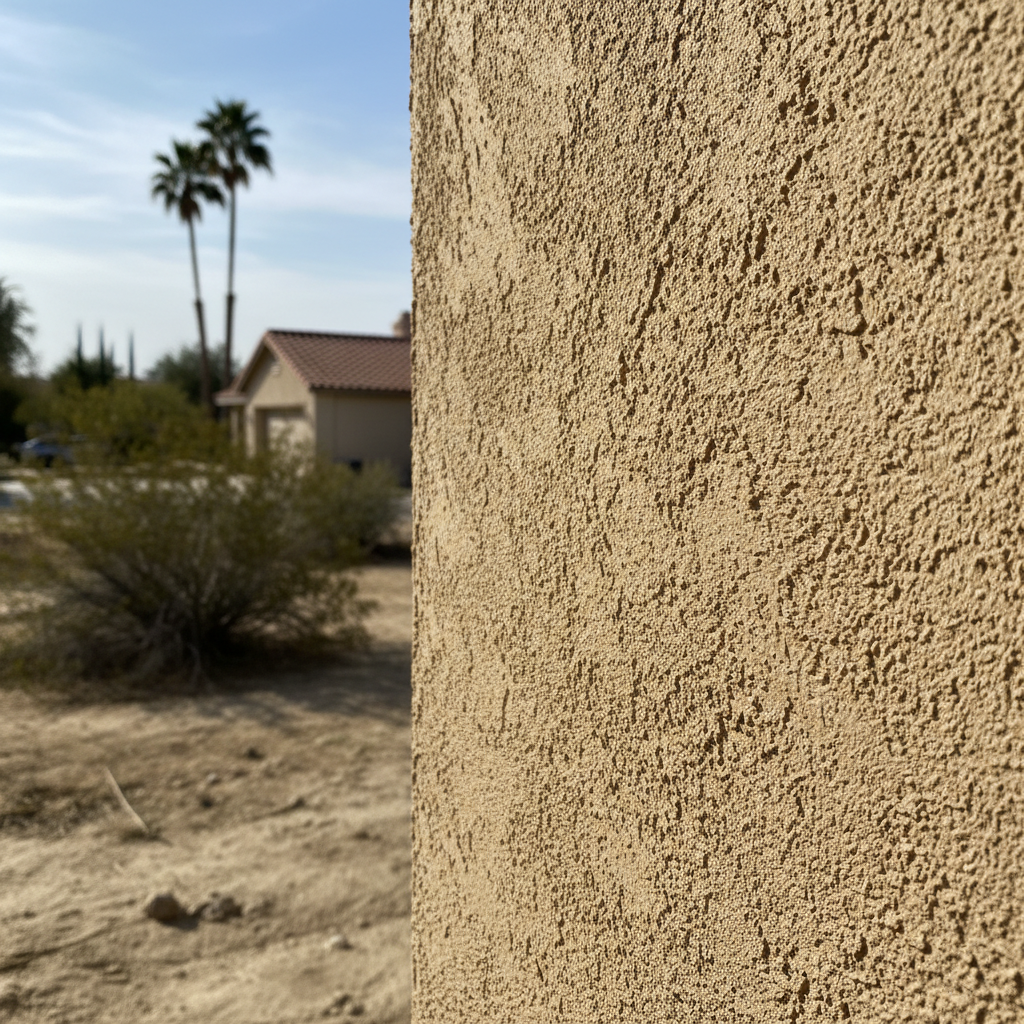
Alright, let's talk stucco inspections. Most homeowners don't even think about their stucco until they spot a crack or a stain, and by then, you could be looking at a much bigger problem. Stucco's tough, sure, but it's not invincible, especially with our hot, dry summers and the occasional heavy rains we get here in San Bernardino.
Before You Start: What You Can Check Yourself
You don't need to be a stucco guru to give your home a basic once-over. Think of it like checking your car's oil – it's something you can do, and it often saves you major headaches down the road. So, what exactly should you be looking for?
- Cracks: Not every crack spells disaster, but knowing the difference is key. Hairline cracks, especially around windows or doors, are often just cosmetic. But if you see cracks wider than a credit card, or if they're running horizontally or in a stair-step pattern, that's a big red flag. Those can point to structural movement or water getting in.
- Stains: Dark streaks, particularly under windows, near the roofline, or around pipes, usually mean water is finding its way inside. Green or black stains? That could be mold or mildew, a sure sign that moisture is trapped.
- Bulges or Soft Spots: Gently press on the stucco. Does it feel soft or spongy? Is it bulging out? That often means the lath underneath might be corroding, or you've got some serious water damage behind the finish.
- Drainage Issues: Take a look at your gutters and downspouts. Are they actually directing water away from your foundation? If water constantly splashes onto your stucco, it's going to cause problems over time. Oh, and check your landscaping too – are plants or sprinklers always hitting the stucco? That's a definite no-go.
- Flashing: This one's super important. Flashing is that metal or plastic barrier designed to steer water away from vulnerable spots, like around windows, doors, and where the roof meets the wall. Make sure it's all intact and installed correctly. If you spot gaps or rust, water is probably sneaking in.
Just take a walk around your house, maybe once a year, and give it a good look. Pay extra close attention after a big storm or a long period of rain. Here in San Bernardino, we experience those scorching days that really stress materials, then a sudden downpour, and that's when weaknesses tend to show themselves.
During the Inspection: When to Call a Pro
Okay, so you've done your visual check and found something that looks a bit off – a wide crack, a soft spot, or persistent staining. This is exactly when you should call in someone like us at San Bernardino Stucco & Plastering. Please, don't try to DIY a major repair if you're not sure what you're doing. You could honestly make things much worse.
A professional inspection goes way beyond what you can see on the surface. We have the right tools and experience to uncover hidden issues:
- Moisture Meters: We use these to find moisture behind the stucco, even if you can't see it with your eyes. This tells us if water is getting trapped in the wall assembly, which can lead to rot and mold.
- Infrared Cameras: Sometimes, we'll use thermal imaging. This helps us spot temperature differences that might indicate moisture or air leaks.
- Probing and Testing: In certain situations, we might need to make a small, discreet opening to really see what's happening behind the stucco. We'll always discuss this with you before we do anything.
- Identifying Root Causes: A pro doesn't just patch up the symptom; we figure out why it happened in the first place. Is it a flashing problem? A drainage issue? Was the original installation just not up to par? Knowing the cause keeps it from happening again.
A good stucco contractor won't just tell you what's wrong; they'll explain why it's wrong and what the best way to fix it is. You'll get a detailed report and a clear plan for repair.
After the Inspection: What Happens Next
Once you have those inspection results, you'll know if repairs are needed. If it's something minor, like a small cosmetic crack, you might be able to patch it yourself with the right materials and technique. But for anything more serious, you'll definitely want to get a professional repair done.
Make sure you understand the full scope of work, what materials will be used, and the timeline. A reputable contractor will give you a clear, written estimate. Don't just pick the cheapest bid; go for the one that makes the most sense and comes from someone you trust. And hey, ask about warranties on their work, too.
Maintaining your stucco isn't a one-and-done deal. It's an ongoing process. Regular inspections, both by you and a professional when necessary, are key to keeping your home protected and looking great for years. It's truly an investment in your home's longevity, especially with our unique San Bernardino climate and soil conditions that can put extra stress on foundations and, by extension, your exterior walls.