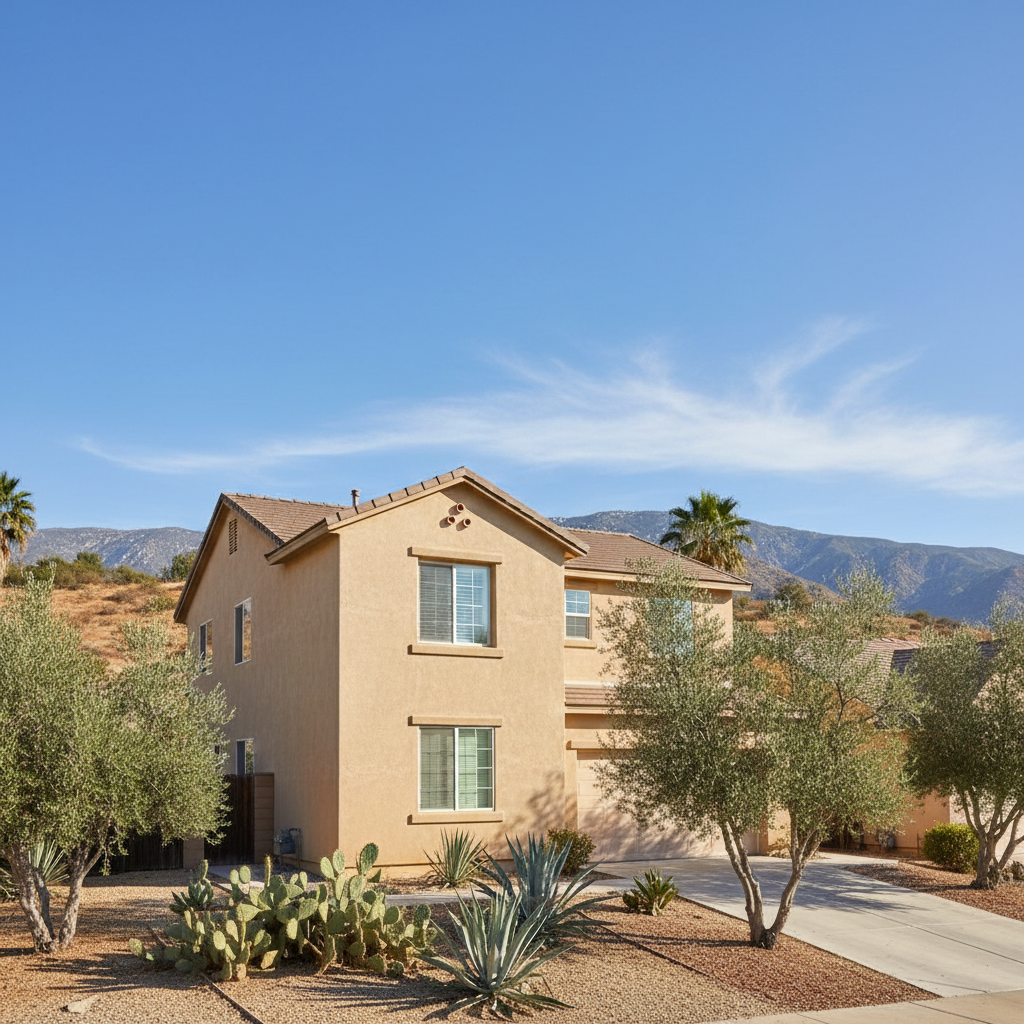
When's the best time to replace your stucco here in San Bernardino? That's a question I get asked a lot, and it's a good one. It's not just about when you're ready; it's about when the weather's ready too. Our local climate, with those hot, dry summers and occasional wet winters, plays a huge role in how well your new stucco cures and lasts.
The Best Seasons for Stucco Work
Look, you can technically replace stucco any time of year, but if you want the best results and fewer headaches, you've got to consider the seasons. I always tell folks the sweet spot for stucco replacement in San Bernardino is usually spring and fall. Why?
- Spring (March to May): This is prime time. The temperatures are usually moderate – not too hot, not too cold. We get some nice, consistent days without the intense heat that can dry out stucco too fast. Plus, the chances of heavy rain are starting to drop off. It gives the stucco plenty of time to cure properly without being rushed or soaked.
- Fall (September to November): Another excellent window. After our scorching summers, the temperatures cool down, but it's usually still dry enough. This allows for a good, steady cure. You want to get it done before the real winter rains start, though, especially if we're looking at an El Niño year.
Why Summer and Winter Can Be Tricky
I'm not saying we can't do stucco work in summer or winter, but it comes with its own set of challenges. And honestly, it's often more expensive or takes longer because we have to take extra precautions.
- Summer (June to August): Man, those San Bernardino summers are brutal, right? We're talking 100+ degrees sometimes. Extreme heat is tough on stucco. It can cause the material to dry too quickly, leading to cracking, poor adhesion, or a weaker finish. We have to mist the walls, work in shorter shifts, and sometimes even tent areas to control the drying process. It's doable, but it's a battle.
- Winter (December to February): Rain is the big enemy here. Stucco needs to stay dry for a good while after application to cure correctly. If it gets rained on too soon, it can weaken the bond, cause efflorescence (those white powdery stains), or even wash out the color. We can tent areas, but that adds cost and complexity. Plus, if temperatures drop too low, especially below 40°F, the curing process slows down dramatically, and the stucco might not set properly.
Local Factors That Matter
Beyond just the season, you've got to think about our specific San Bernardino conditions. For example, if your home is up in the foothills near the Cajon Pass, you might experience cooler temperatures and stronger winds than someone down in the valley. Wind can dry out stucco just as fast as heat, so we have to account for that. Also, the soil conditions around here – sometimes expansive clay – can lead to foundation movement over time, which puts stress on stucco. While we can't control the soil, proper stucco application and reinforcement can help mitigate future cracking.
Protecting Your Stucco Investment Year-Round
Once you've got that fresh stucco, you want it to last. Here's what I recommend:
- Keep an Eye Out for Cracks: Small hairline cracks are normal as a house settles, but anything wider than a credit card or in a spiderweb pattern needs attention. Don't let water get in there.
- Maintain Your Gutters and Downspouts: Make sure they're clean and directing water away from your foundation and walls. Water constantly dripping or splashing on stucco is a recipe for trouble.
- Trim Landscaping: Keep bushes and trees from growing directly against your stucco. They can trap moisture against the wall, and their roots can cause foundation issues.
- Regular Cleaning: A gentle wash with a hose and a soft brush can keep dirt and mildew from building up. Avoid high-pressure washers, as they can damage the finish.
- Consider a Good Paint/Sealant: A high-quality elastomeric paint or sealant can add an extra layer of protection against moisture and UV rays, extending the life of your stucco.
Ultimately, getting your stucco replaced is a big investment. You want it done right, and that means respecting the weather. If you're thinking about a project, give us a call at San Bernardino Stucco & Plastering. We can come out, take a look, and give you an honest opinion on the best approach and timing for your home.